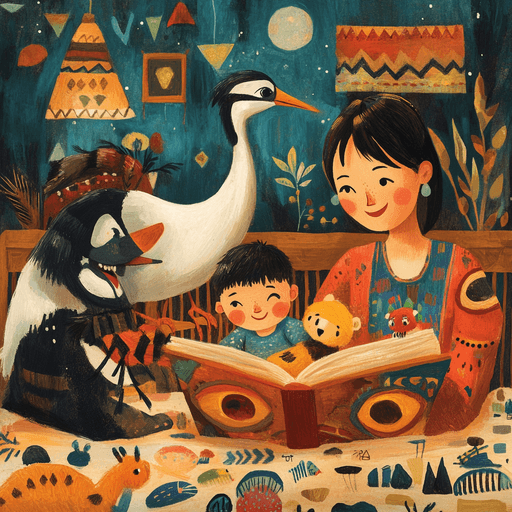
Bedtime stories have been a cherisheBedtime stories have been a cherished tradition for generations, evoking warmth and nostalgia for both parents and children. But these tales are more than just a soothing end to the day—they are powerful tools for shaping young minds and fostering emotional connections. Let’s explore how bedtime stories enrich your child’s emotional, cognitive, and imaginative growth and transform bedtime into magical moments.
Picture the scene: A warm cup of milk, a favorite stuffed animal, and the soft glow of a bedside lamp casting playful shadows. Bedtime stories are more than a method to lull kids to sleep—they create a world where imagination thrives. A short bedtime story about a curious rabbit or a fantastical tale of whispering trees can spark creativity while calming restless minds.
Research supports the benefits of bedtime storytelling. A study by the National Sleep Foundation found that calming pre-sleep routines, like reading small bedtime stories, improve the quality of children’s sleep. These narratives not only reduce stress but also establish a soothing rhythm that signals it’s time to wind down, making bedtime routines smoother for everyone.
Listening to short bedtime stories stimulates critical areas of the brain, enhancing language skills, empathy, and problem-solving. Each story introduces children to new vocabulary and sentence structures, helping them grow intellectually. Think of storytelling as a mental workout that strengthens their cognitive abilities.
For example, a quick bedtime story about a clever fox solving a puzzle encourages children to think critically and view challenges as opportunities. Similarly, classic tales like “The Tortoise and the Hare” teach perseverance and humility, nurturing emotional intelligence and resilience.
Few things are as magical as gathering together for a bedtime story. These shared moments create an intimate space where children feel valued and loved. For parents, storytelling becomes a way to unwind and reconnect after a busy day.
Engaging in bedtime storytelling also models a love for reading and learning. Whether it’s a 5-minute bedtime story you make up on the spot or a beloved tale passed down through generations, the act of sharing a story fosters closeness and builds lasting memories. Don’t hesitate to let your creativity shine—your child will treasure these moments for years to come.
Bedtime storytelling isn’t just a routine—it’s a ritual that creates predictability and trust. Children thrive on structure, and ending the day with a comforting story provides a sense of security. Even during hectic days, finding just five minutes for a quick bedtime story can have a profound impact.
The consistency of storytelling offers children an anchor, reinforcing emotional stability and signaling that they are cared for. It’s not about the length of the story but the connection it creates.
Bedtime storytelling is more than reading—it’s about creating memories that last a lifetime. Whether it’s a quick bedtime story or an immersive nighttime adventure, these moments matter. Tonight, pick up a book, sit by your child’s side, and step into a world of wonder. Bedtime stories for kids are not just about the tales—they’re about the bonds they create and the lessons they impart.
Bedtime storytelling is a magical ritual that connects parents and children, nurturing creativity and imagination while creating a sense of security and closeness. Writing your own 5-minute bedtime story for kids may seem daunting, but it’s simpler than it appears. By following a few practical steps, you can craft a unique tale that resonates with your child, turning bedtime into a cherished experience filled with laughter, excitement, and sweet memories.
In today’s busy world, short bedtime stories are a lifesaver. A quick bedtime story helps children relax and transition to sleep while fitting into even the tightest schedules. These concise tales hold children’s attention, ensuring they engage with the story and absorb its lessons.
Short bedtime stories also foster focus and listening skills. By following a narrative, children learn to anticipate what happens next, sharpening their comprehension. Their simplicity makes these stories ideal for younger children, who may find longer narratives overwhelming. In just five minutes, you can introduce a relatable character, create an adventure, and teach a valuable lesson without losing their attention.
Consider what captivates your child—animals, superheroes, magical lands, or even everyday objects like trains. A story tailored to their passions becomes more relatable and engaging. For instance, if your child loves space, craft a tale about a brave astronaut teddy exploring distant galaxies. Describe shimmering stars and mysterious moons to ignite their imagination.
A 5-minute bedtime story should have one main character, a single goal, and a straightforward plot. Avoid complex subplots that could confuse young listeners. Focus on creating a clear arc with a beginning, middle, and end, ensuring the story flows smoothly and is easy to follow.
Every story needs a challenge, but keep it light and easily resolved. For example, a squirrel searching for its lost acorn or a cloud finding its way home adds engagement while teaching lessons about perseverance. Consider how your child might react to these scenarios—perhaps cheering as the squirrel triumphs, fostering a sense of empowerment.
Children love whimsy. Incorporate elements like talking animals, enchanted forests, or magical objects to captivate their imagination. Imagine a fox with a lantern guiding lost friends home through a glowing forest. These touches transform simple stories into unforgettable adventures.
End the story with a peaceful resolution. A lost acorn is found, or the cloud gently floats back into the sky. Avoid cliffhangers or overly exciting conclusions, as they might keep your child awake. A soothing close leaves them feeling safe and ready for sleep.
The Brave Little FireflyA shy firefly gains confidence and lights up a dark forest to guide her friends safely home. This story teaches children about bravery, friendship, and the power of small actions.
The Magic PajamasA child’s pajamas transform into a flying carpet, whisking them away on a quiet journey through the stars. Themes of exploration and imagination inspire wonder and relaxation.
The Lost MoonbeamA moonbeam falls to Earth, befriending a curious boy. Together, they discover the night sky’s beauty, learning about kindness and connection.
These short bedtime stories demonstrate how simple narratives can entertain, comfort, and teach life lessons in just a few minutes.
Crafting your own bedtime story creates a bond between parent and child that no store-bought book can replicate. It allows you to address specific interests or emotions your child is experiencing, offering comfort and understanding.
Writing your own story also shows your child that their imagination is valued. You’re demonstrating that their ideas are worth exploring, empowering them to embrace creativity and self-expression.
There’s no right or wrong way to write a bedtime story. What matters most is the love and creativity you put into it. Whether it’s a quick bedtime tale about a brave bunny or a whimsical adventure under the stars, these stories are more than just words—they’re gifts of connection and memories that last a lifetime. Tonight, set aside a few minutes to create a story with your child. Together, you’ll turn bedtime into a moment of magic and wonder.
Bedtime storytelling has a universal charm that transcends borders and generations. Across the globe, parents use tales to soothe their children, instill values, and inspire dreams. While the themes may differ, the heart of these stories—love, courage, and kindness—remains constant. Exploring bedtime stories from various cultures can add richness to your storytelling routine and introduce your child to a world of diversity.
Children’s stories are mirrors of the cultures they come from, reflecting traditions, morals, and creativity. In Africa, folktales like “Why the Sun and the Moon Live in the Sky” teach lessons about community and natural harmony. In Japan, tales such as “The Crane Wife” emphasize sacrifice and the beauty of nature. Scandinavian stories brim with mythical creatures like trolls, highlighting bravery and cleverness.
Imagine sharing “The Crane Wife” with your child and watching them marvel at the delicate yet powerful crane character. These global tales are more than entertainment—they teach empathy, understanding, and shared humanity. By introducing your child to these stories, you’re opening a window into the traditions and values of different societies, fostering a broader worldview.
Bedtime stories differ widely in tone, content, and purpose depending on their cultural origins. In India, Panchatantra fables often feature animals and highlight morals about wit, perseverance, and teamwork. For instance, “The Lion and the Clever Rabbit” teaches that intelligence can overcome strength. Native American storytelling frequently connects children to nature, explaining natural phenomena through tales like “How the Bear Lost His Tail.”
While Indian fables tend to offer direct lessons on human behavior, Native American tales often weave their teachings into narratives about the environment. Both approaches instill values and invite reflection, demonstrating that, despite cultural differences, bedtime stories universally connect, teach, and inspire.
Certain stories have transcended cultural boundaries because their morals resonate universally. “The Tortoise and the Hare” teaches perseverance and humility, while “Anansi the Spider” from African folklore celebrates cleverness and resourcefulness. Similarly, Japan’s “Momotaro” highlights bravery and teamwork as a young boy faces great challenges with the help of animal companions.
What makes these stories timeless? Their relatable characters, clear lessons, and engaging narratives appeal to children everywhere. They encourage values like kindness, courage, and respect, fostering a sense of shared human experience that transcends geography.
The internet has made exploring global bedtime stories easier than ever. Platforms like Storyberries and World of Tales offer curated collections of free tales from around the world. For example, you can find African fables like “The Monkey and the Crocodile” or Nordic myths such as “Thor and the Giants.”
When navigating these platforms, start by searching for stories by theme or region to match your child’s interests. Some sites, like Global Storybook, also provide translated stories, allowing children to experience the richness of language diversity. These platforms are treasure troves of inspiration for families seeking to integrate multicultural tales into their routine.
Global storytelling doesn’t have to be time-consuming. Many short bedtime stories are perfect for quick sessions while still offering cultural depth. For instance:
By selecting these quick bedtime stories, you can balance the demands of modern life with the joy of sharing diverse narratives. These concise tales deliver both simplicity and cultural enrichment.
Adding cultural diversity to your bedtime storytelling is an enriching experience for both parent and child. Start by alternating between familiar local tales and those from other parts of the world. For instance, follow “Goldilocks and the Three Bears” with an African folktale like “Why Mosquitoes Buzz in People’s Ears.”
To make the stories even more engaging, personalize them. Use props, mimic accents, or adapt the setting to include familiar elements from your child’s world. Imagine telling a tale about a Japanese samurai, but setting it in your backyard with a stuffed animal as the samurai’s companion. These small touches make the storytelling relatable and memorable while maintaining the essence of the original story.
Bedtime stories are more than a way to end the day—they’re a gateway to imagination and learning. By exploring tales from different cultures, you enrich your child’s understanding of the world and instill values that transcend borders. Tonight, step out of the familiar and introduce your little one to a tale from a distant land, like the wisdom of Anansi the Spider or the bravery of Momotaro. Together, you’ll embark on an unforgettable journey through the power of words.
Bedtime stories have long been a cherished tradition, offering children comfort and sparking their imagination. In recent years, online stories for kids have transformed this ritual, introducing convenience and variety to storytelling. But how do these digital options compare to the timeless charm of traditional short bedtime stories?
Let’s explore the strengths and limitations of both and discover how to craft the perfect storytelling routine for your family.
Online stories have made storytelling more accessible than ever, opening a world of possibilities for busy families. Platforms like Storyberries and apps like Epic provide thousands of options, from folktales to modern adventures. However, the shift to digital storytelling has its benefits and challenges.
Pros:
Cons:
Understanding these pros and cons helps parents decide when and how to use online stories effectively.
Despite the popularity of online stories, traditional books remain a cornerstone of bedtime routines. Physical books offer a sensory experience—turning pages, feeling the texture of the paper, and seeing vibrant illustrations—that digital formats cannot fully replicate. They also encourage closeness, as parents and children cuddle together to read.
However, digital stories complement rather than replace traditional books. For instance, parents might use an interactive app during the day for entertainment and save a favorite physical book for the calming moments before bed. This balance preserves the unique benefits of both formats.
Short bedtime stories remain indispensable, particularly for young children. Their brevity and simplicity help wind down restless minds, creating a sense of security and routine. A five-minute tale about a friendly fox or a sleepy bear can soothe and prepare children for sleep without overwhelming them.
Moreover, short stories strengthen parent-child bonds. Without the distractions of screens, parents can focus on delivering the story with warmth and expression, creating treasured memories. These moments are often the ones children remember fondly as they grow.
Blending traditional books with digital options creates a well-rounded storytelling routine. For example, parents might read a physical book like “Goodnight Moon” to establish a calming atmosphere, then follow up with an interactive story on a weekend for a touch of fun.
Audio stories are another excellent way to combine the two worlds. Platforms like Audible or Spotify Kids offer narrated tales that engage the imagination without requiring screen time. This mix ensures families can enjoy the best of both formats while keeping bedtime magical and stress-free.
Not all bedtime story apps are created equal. Here’s what makes an app effective for bedtime:
Conversely, apps with loud animations or overly interactive elements may overstimulate children, making it harder for them to relax. Choosing apps specifically designed for bedtime, such as “Moshi” or “Calm Kids”, helps maintain a peaceful atmosphere.
For parents looking to avoid screens entirely, there are plenty of creative ways to keep bedtime storytelling engaging:
These techniques ensure that bedtime remains magical and screen-free.
The choice between short bedtime stories and online stories for kids doesn’t have to be all or nothing. By understanding the unique strengths of each format, parents can create a storytelling routine that nurtures imagination, strengthens bonds, and provides both comfort and excitement. Tonight, try blending the old with the new—open a favorite physical book or explore a gentle digital tale—and watch as your child’s love for stories flourishes.
Bedtime storytelling is a treasured ritual, but what if you could make it even more magical? Immersive storytelling transforms traditional bedtime tales into unforgettable adventures, engaging your child’s imagination in exciting and meaningful ways. Picture your child lighting up as they "help" a brave hero defeat a dragon or explore a hidden treasure cave.
By adding creative elements like voices, props, and interactive storytelling, you can bring children’s stories to life and turn bedtime into a moment of wonder and connection.
Immersive bedtime stories captivate your child by making them an active participant in the story. Instead of simply reading words on a page, you’re creating an experience that uses sensory details, emotional depth, and interactive elements to bring the narrative to life. Whether you mimic the roar of a lion, guide your child through a mysterious forest, or let them decide the hero’s next move, immersive storytelling fosters engagement and fuels creativity.
At its heart, immersive storytelling connects emotions with imagination. This shared journey deepens the bond between parent and child while sparking curiosity, empathy, and excitement for storytelling.
Props and voices are powerful tools for making bedtime stories unforgettable. Adding unique voices to characters gives them personality and makes the story more dynamic. For example, a gruff, deep voice can bring a bear to life, while a squeaky, high-pitched voice makes a mischievous mouse unforgettable. Sound effects, like a creaking door or rushing wind, further enhance the experience.
Everyday items can double as magical props. A flashlight becomes a fairy’s wand, a scarf transforms into a pirate’s flag, and a stuffed animal serves as a loyal companion on the adventure. These simple additions make the story tangible and engaging, helping your child step into the magical world you’ve created.
Immersive storytelling works beautifully with short bedtime stories, turning even simple tales into grand adventures. You don’t need complex plots—just a spark of excitement and discovery. Here are a few examples:
With immersive elements, these small bedtime stories become enchanting journeys.
Interactive storytelling invites your child to help shape the story. Short tales like “The Brave Little Firefly” or “The Magic Paintbrush” are perfect because their simple narratives leave room for your child’s ideas. For example, you could ask:
Classic stories like “The Three Little Pigs” or “Goldilocks and the Three Bears” are also ideal for interaction. Encourage your child to mimic character voices, predict outcomes, or even act out scenes. This makes the storytelling collaborative and keeps your child fully engaged.
The environment plays a key role in making bedtime stories immersive. Creating a cozy and magical space enhances the experience and draws your child into the story. Here’s how to set the scene:
These touches transform the bedroom into an immersive storytelling wonderland and become part of your child’s cherished bedtime routine.
You don’t need a lot of time to make bedtime stories feel special. Here are a few quick exercises to enhance engagement:
These small activities personalize the experience and ensure that every bedtime story feels unique and magical.
Immersive storytelling turns bedtime into a magical journey where your child’s imagination takes center stage. By using props, voices, and interactive elements, even the simplest stories can become extraordinary adventures. Tonight, pick a tale, add a touch of creativity, and watch as your child’s eyes light up with excitement. Bedtime storytelling isn’t just about words—it’s about creating unforgettable memories that your child will cherish forever.
Bedtime stories are more than a calming ritual—they’re a powerful tool to help children navigate fears, build confidence, and develop emotional resilience. Imagine a child who starts their day feeling empowered after hearing a tale of bravery the night before. Therapeutic storytelling gently addresses worries, offering reassurance and teaching valuable lessons in a safe and comforting environment. By choosing the right stories or crafting your own, you can turn bedtime into a moment of healing and growth for your child.
Short bedtime stories are uniquely suited to addressing childhood fears because of their simplicity and focus. These concise tales allow children to explore challenges in a manageable way. By presenting relatable characters who overcome obstacles, stories provide a mirror for children to see their own bravery reflected.
Imagine a tale about a small bird hesitant to take its first flight. As the bird learns to soar, the child begins to see that their own fears, like starting school or trying a new activity, can lead to growth. These stories wrap children in a comforting embrace, helping them feel capable and secure as they face uncertainty.
Crafting your own therapeutic bedtime story allows you to address your child’s specific fears with care and creativity. Begin by identifying a challenge they’re facing, such as making friends or sleeping alone. Use these steps to structure your story:
For example, if your child is afraid of the dark, create a story about a firefly discovering its glow, turning fear into wonder. These personalized tales help children feel understood and inspired.
Life changes, like starting school or welcoming a new sibling, can feel overwhelming for children. Free bedtime stories available online provide a gentle way to navigate these transitions. Titles like “The Invisible String” teach children about staying emotionally connected, even when physically apart, while “Llama Llama Misses Mama” addresses separation anxiety in a reassuring way.
When introducing a new sibling, “The New Baby” helps children adjust by showing how love grows as the family expands. These stories use relatable situations and compassionate language to guide children through big changes, offering comfort and understanding.
“Bad time stories” embrace difficult emotions, transforming them into opportunities for growth. These narratives validate feelings of fear, anger, or sadness, offering characters and solutions that show children how to navigate their own emotions.
Consider a story about a lonely raincloud learning that its raindrops make flowers bloom. This teaches self-worth and the importance of patience. Or a tale about a grumpy bear finding joy in sharing honey demonstrates the power of kindness. By addressing negative emotions directly, these stories empower children to understand and reframe their feelings positively.
Certain stories are timeless tools for helping children handle life’s hurdles:
These stories resonate with children, offering both comfort and lessons in resilience. They demonstrate that challenges are part of life but can be overcome with courage and determination.
The quiet, intimate setting of bedtime storytelling creates a unique space for children to process emotions. In the comfort of their room, children feel safe to explore fears and vulnerabilities indirectly through the lens of a story. This environment fosters trust and openness, strengthening the bond between parent and child.
Through storytelling, parents can guide children to navigate emotions like fear or sadness, showing them they are never alone. These shared moments of vulnerability and hope create a foundation of confidence and resilience that children carry into their daily lives.
Therapeutic bedtime stories are more than just tales; they’re tools for emotional growth and self-discovery. Whether it’s a free online story, a timeless classic, or a personalized tale you create, these narratives help children find strength, courage, and reassurance. Tonight, consider sharing a story that speaks to your child’s heart, helping them face their fears with newfound confidence and hope.
Bedtime stories are more than a soothing end to the day—they’re a doorway to lifelong learning and curiosity. Imagine sharing a whimsical tale as your child’s imagination lights up, their curiosity sparked by vivid scenes and playful characters. From fostering literacy skills to inspiring critical thinking and creativity, bedtime storytelling is a simple yet powerful tool for a child’s development. By weaving engaging tales into your routine, you can nurture a love for reading that grows far beyond bedtime.
Bedtime stories naturally expose children to language in ways that are fun and meaningful. Listening to stories helps children pick up new words, recognize patterns in speech, and understand sentence structures. These moments enhance phonemic awareness—the ability to hear and manipulate sounds in words—which is crucial for learning to read independently.
Short bedtime stories are particularly effective because they fit well within a child’s attention span. For example, a tale about a curious rabbit introduces simple vocabulary and fosters comprehension in an engaging way. These moments help children build a strong foundation for literacy in a relaxed, enjoyable environment.
Bedtime stories encourage children to think deeply and make connections. When you ask questions like, “Why did the dragon choose to help the knight?” or “What do you think happens next?” you encourage your child to explore motives and predict outcomes. These exercises sharpen problem-solving and analytical skills.
Stories that include moral dilemmas or character growth are especially effective. For instance, a story about a mischievous fox learning the value of honesty can help children understand the importance of integrity. By tackling complex ideas in a relatable way, bedtime stories nurture both critical thinking and empathy.
Online stories for kids open up new opportunities to explore the world through storytelling. Platforms like Storyberries and Free Kids Books offer access to a vast library of narratives, from traditional folktales to modern adventures. These digital resources allow children to encounter different cultures, ideas, and themes in ways that physical books might not always provide.
Imagine reading a story about the Arctic tundra, complete with interactive features like sound effects of howling winds or animations of polar bears. These experiences broaden a child’s perspective and make learning exciting and accessible, blending education with entertainment.
A bedtime story can be the spark for an entire day of learning and creativity. For example, reading about a little boy who befriends a constellation could inspire stargazing that night, followed by creating a homemade telescope the next day. You could also encourage your child to draw their favorite scene from the story or build it with blocks.
By connecting the story to hands-on activities, you’re showing your child how books can lead to exploration and fun. This reinforces the idea that stories are not just for bedtime—they are springboards for adventure and discovery.
Certain stories stand out for their ability to engage children’s imaginations while teaching valuable lessons:
These stories entertain while planting seeds of curiosity, imagination, and a desire to learn more about the world.
Access to free bedtime stories ensures every family can enjoy the magic of storytelling. Online platforms like Storyberries, World of Tales, and Free Kids Books offer a diverse range of genres and themes, allowing parents to find the perfect story for any child.
These platforms often include vibrant illustrations or interactive features, helping children associate reading with fun and engagement. By making storytelling a regular part of their lives, you’re laying the foundation for a lifelong love of books and learning.
Bedtime stories are more than just a ritual—they’re an invitation to explore, imagine, and grow. From building literacy skills to fostering critical thinking and creativity, stories ignite a love for reading that extends far beyond childhood. Tonight, open a book, share a story, and watch your child’s curiosity take flight. The adventure begins at bedtime.